
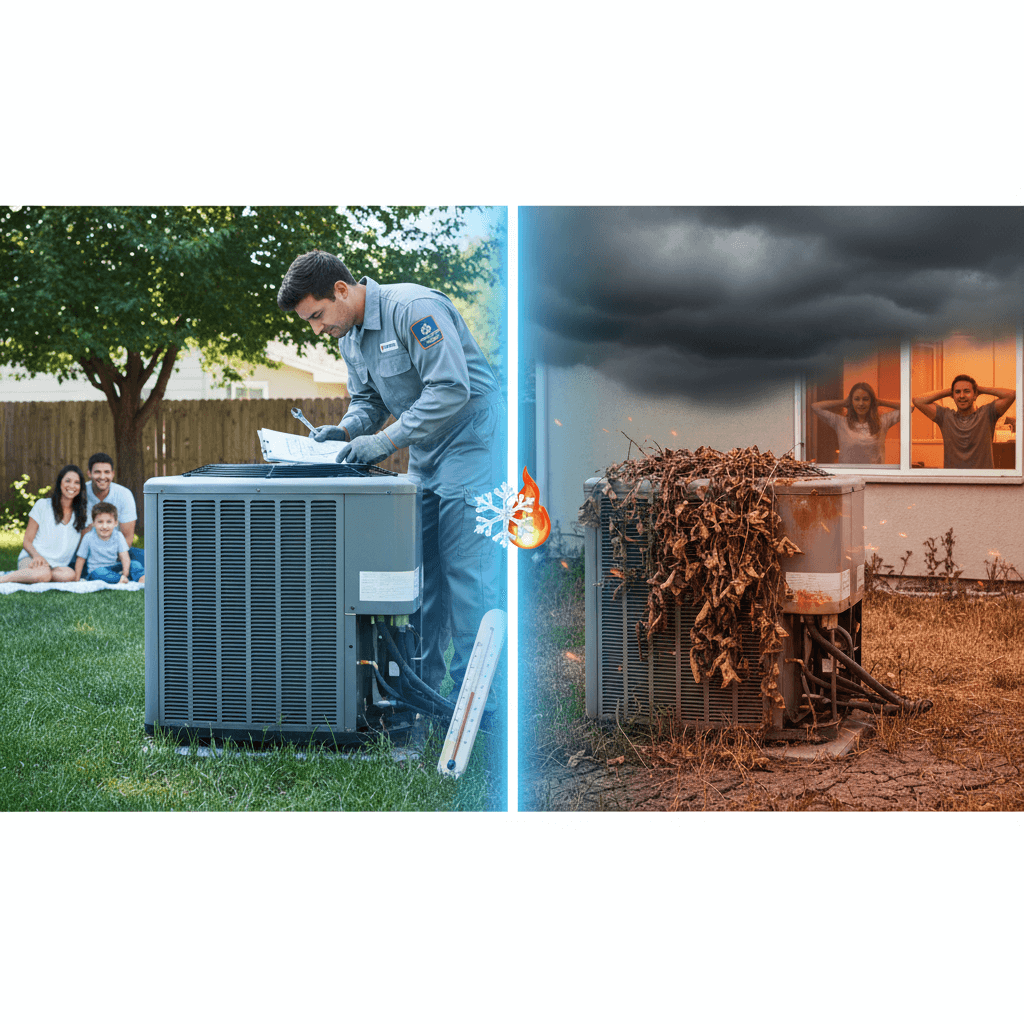
A functioning air conditioning system is one of those home features people notice most when it stops working. Regular inspections catch small problems before they become costly failures and keep indoor comfort steady during the hottest months. This article explains why routine checks matter and shows practical steps homeowners and property managers can take to protect their cooling systems.
Beyond comfort there are safety and budget reasons to pay attention to your AC. Simple tasks done during an inspection extend component life and reduce monthly energy costs. Read on for clear examples, maintenance tips, and guidance on when to call a pro.
Importance Of Annual Cooling Inspections for system longevity
Annual checks reduce wear on key components that face constant cycling during cooling season. Condensers, compressors, motors, and fans all have moving parts that accumulate dust and operate under heat stress. A technician who inspects the system can find worn bearings, refrigerant issues, or failing electrical parts that, if left alone, could lead to early component failure.
Consider a compressor that is slightly low on refrigerant for several months. The unit will run longer to reach desired temperatures which heats parts and speeds wear. Replacing a compressor is far more expensive than correcting a refrigerant leak early on. That kind of real world saving is a primary reason annual checks matter.
Energy savings and cost control from regular inspections
Systems that are clean and properly adjusted use less electricity. Dirty coils and clogged filters reduce heat transfer and force the system to run longer and harder. During an inspection a technician will clean coils, check airflow, and advise on filter replacement intervals so the system returns to efficient operation.
Lower operating time translates directly into a lower energy bill. In many cases the reduction after a tune up can be noticeable within a billing cycle. Over a season those savings may pay for the inspection and basic repairs several times over.
Safety checks that protect people and property
Cooling inspections include simple safety checks that reduce the risk of fire and water damage. Technicians inspect electrical connections that could overheat. They check drain lines and pans to prevent overflow that damages ceilings and walls. They also look for signs of mold growth in damp areas where air handler drip pans or condensate drains are compromised.
For homes using gas furnaces combined with central air, annual HVAC checks reduce cross system risks. Leak detection, control safety checks, and verification of proper ventilation are all parts of a careful inspection.
What technicians look for during a cooling inspection
A quality inspection follows a checklist that covers performance, safety, and cleanliness. Common items include refrigerant pressure checks, airflow measurement, electrical tightening, condensate drain inspection, coil cleaning, thermostat calibration, and fan motor testing. The exact list varies by system age and configuration.
Diagnostic measurements and why they matter
Technicians often use gauges and meters to measure refrigerant pressure and electrical current. These readings reveal signs of low refrigerant, short cycling, or motor problems. For example a motor drawing higher current than its rating suggests internal wear that should be addressed before failure.
Visual inspections and small fixes that save money
Visual checks catch loose belts, cracked insulation on refrigerant lines, or insect nests in outdoor units. Replacing a worn belt or sealing insulation is inexpensive compared with replacing a major component. A technician can also tighten loose electrical connections that otherwise could cause arcing and damage.
Timing and frequency recommendations for inspections
Once a year is the baseline for many residential systems. More frequent checks may be warranted for older systems, properties with heavy use, or buildings with sensitive cooling needs such as data closets or server rooms. Spring is a practical time to schedule the visit so the system is ready for peak summer demand.
For rentals and commercial properties a twice yearly schedule often works best. A spring inspection prepares the system for summer and a fall inspection checks heating components when the system switches modes. Regular scheduling helps avoid surprise failures during extreme weather.
DIY maintenance tasks to perform between professional visits
Homeowners can take steps that complement an annual inspection. These tasks keep systems cleaner and reduce the chance of emergency repairs.
- Replace or clean air filters every one to three months depending on occupancy and indoor air quality
- Keep the outdoor unit clear of plants, leaves, and debris to maintain proper airflow
- Inspect visible refrigerant lines and insulation for cracks or damage
- Check condensate drain lines for clogs and clear them if water backs up
- Set thermostats to reasonable set points and use programmable features to avoid excessive runtime
These simple steps reduce strain on the system and make the professional inspection more productive because the technician can focus on technical issues instead of basic cleaning tasks.
How inspections affect warranty and resale value
Manufacturers of HVAC equipment often require proof of regular maintenance to keep warranties valid. Annual documentation can be important if a large component fails and the owner seeks warranty coverage. A logged inspection history shows that the system received routine care which supports warranty claims.
When selling a home an inspection record that shows regular maintenance can be attractive to buyers. It communicates that the cooling system was cared for and is less likely to require immediate replacement. This can reduce negotiation pressure and increase buyer confidence.
Choosing a reliable inspection provider and what to ask
Not all inspections are equal. When choosing a technician or company ask about certification, insurance, and a sample checklist of services. A reputable provider will be transparent about the items they check and will provide a written summary after the visit.
Ask how measurements are taken and whether diagnostic tools will be used. Inquire about common findings and typical costs for minor repairs. A good provider will explain options clearly and provide a prioritized list of recommended actions based on safety and impact on performance.
If you prefer an online reference before calling a local company consider scheduling a professional annual cooling unit inspection through a known local service. That can be a convenient way to get a full assessment and a clear plan for maintenance
Common inspection findings and practical next steps
Inspections often reveal recurring small issues. Below are common findings followed by practical next steps that property owners can take.
- Low refrigerant due to leaks. Next step have a certified technician locate and repair the leak then recharge the system
- Dirty coils and clogged filters. Next step schedule coil cleaning and set up a filter replacement schedule
- Loose electrical connections. Next step have a technician tighten connections and test circuits for safe operation
- Failing condenser fan motors. Next step replace motors before a complete failure during hot weather
- Blocked condensate drains. Next step clear the block and inspect for signs of mold or water damage
Addressing these items early reduces the chance of a mid summer emergency call and spreads repair costs into manageable intervals for household budgets.
All of these steps together reduce unexpected downtime and provide a predictable maintenance plan that supports steady operation.
Conclusion
Annual cooling inspections are a practical way to protect comfort, safety, and finances. A yearly check identifies small problems while they are inexpensive to fix and keeps the system running nearer to its intended performance. Regular maintenance lowers energy use over a season and supports warranty claims that require maintenance proof. For property owners and managers the inspection also reduces the likelihood of emergency repairs during extreme weather.
Whether you do basic upkeep between visits or rely entirely on a professional service, planning an inspection before peak cooling season is a smart step. If you want a thorough evaluation schedule an inspection soon and request a written report that lists findings, recommended repairs, and estimated costs. Taking action now prevents costly surprises later and keeps indoor comfort stable. Call a local technician or service provider today to book an appointment and protect your cooling investment.